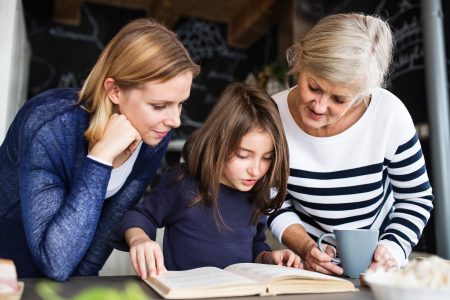


With the holidays quickly approaching, what better time is
there to talk to children about what they are thankful for and how they can
show their gratitude towards others. Teaching children gratitude helps them to
feel happier, more satisfied and able to create more meaningful connections
with others. “Paying it forward” keeps the holiday spirit alive by allowing
children of all ages to give of themselves in-person or financially.
Meriam-Webster defines gratitude as the state of being
grateful. It is said that the best way to teach children is to lead by example
and to model behavior. Throughout my sons’ lives they have seen their father
and I volunteer at our church and in our community. They helped serve at our
church’s senior luncheons before they could read. I believe that because we
have instilled servant hearts in them at an early age, they seek volunteer
opportunities and are eager to give to charities in their teenage years.
Seeing first-hand how grateful people are to receive help
really feeds their giving spirit and makes them want to go back again to
volunteer or give more financially. Even more so, a note of thankful
appreciation or a verbal “thank you” carries so much more meaning to young
children.
When we give, we do it out of the goodness of our hearts,
not for accolades. However, it is still nice to be acknowledged when you give
of your time and talents or make a monetary donation.
Being a boy mom, I have seen first hand how important it is
to have positive male role models in their lives. Teens often learn gratitude
by observing the actions and attitudes of people in their lives, so their
father, grandfathers, uncles and male leaders/mentors in church and scouts have
been paramount to model gratefulness. It is always nice when I am stopped by
another mother or father to acknowledge how much my boys show their readiness
to display appreciation for and return kindness to others.
Gratitude matters most during the holidays because getting
wrapped up in the gift giving aspect often puts financial and/or budgetary
strains on parents and unnecessary stress on children as they see what others receive
that they don’t. Alternately, emphasizing the importance of experiences over
gifts and encouraging volunteering or donating to the less fortunate in your
community will help children to focus on others and be grateful for what they
have.
So instead of going into 2026 in debt, gather as a family,
align your family values, choose an organization or cause to support, and
reminisce about favorite experiences you’ve shared together over the past year. Lastly, be reminded there is no monetary cost
of gratitude.