

Earth Day is April 22. One way to reconnect with Mother
Nature is to plant a garden. Here are ten tips for gardening for beginners:
1.
Decide What to Plant: Think about
whether you want to plant a flower garden, an herb garden, a pollinator garden
with native plants, or a vegetable garden. Visit your local farmers market with
the kids, where you can try a new piece of produce and decide if that is
something you’d like to try growing on your own, or visit your local library
and borrow books about gardening for inspiration.
2.
Find the Perfect Spot: Choose a plot
in your yard for your garden with plenty of sun that is easy to see and admire
so you’ll be more apt to want to tend to it on a regular basis.
3.
Choose How You Want to Plant: Consider
the soil on your property and decide if it is better to plant your garden in a
raised bed or in a container. Containers are good options, particularly for
herbs, but be sure the container is large enough for the plants you are using,
and it has holes for water drainage. You’ll also want to ensure that your soil
is nutrient-rich for the plants to grow as needed. Consider testing the soil in
your yard first for best results.
4.
Don’t Forget About Water: Plants need
lots of water, so make sure your garden has easy access to a water supply. Use
a hose, a sprinkler, a watering can, or rain buckets. You’ll know when it is
time to water if you push a finger an inch down into the soil and it feels
dry.
5.
Discover Your Zone: Various flowers
and vegetables grow at different times throughout the year, depending on the
season and the weather. Some thrive in colder temperatures, while others prefer
the heat. Before you plant your garden, check the hardiness zone to be sure you
are planting at the right time so your plants will survive. A quick Google
search will pull up maps of the appropriate times for gardening in your area.
Don’t forget about last frost dates.
6.
Choose the Right Tools: The basic
tools you’ll need when tinkering in the dirt are gloves for protection; pruning
shears to cut back plants; a gardening trowel or spade for digging, weeding, or
transplanting; and a rake. If you have a larger property and are planting
multiple gardens, a wheelbarrow may also be beneficial.
7.
Prepare Your Beds: You’ll want to
loosen the soil in new garden beds first before planting seeds. You can use a
rototiller or dig the dirt by hand. Work the soil so that it is moist enough to
form a loose ball in your hand but dry enough to fall apart when you drop it.
Remove any debris such as sticks, needles, leaves, or rocks.
8.
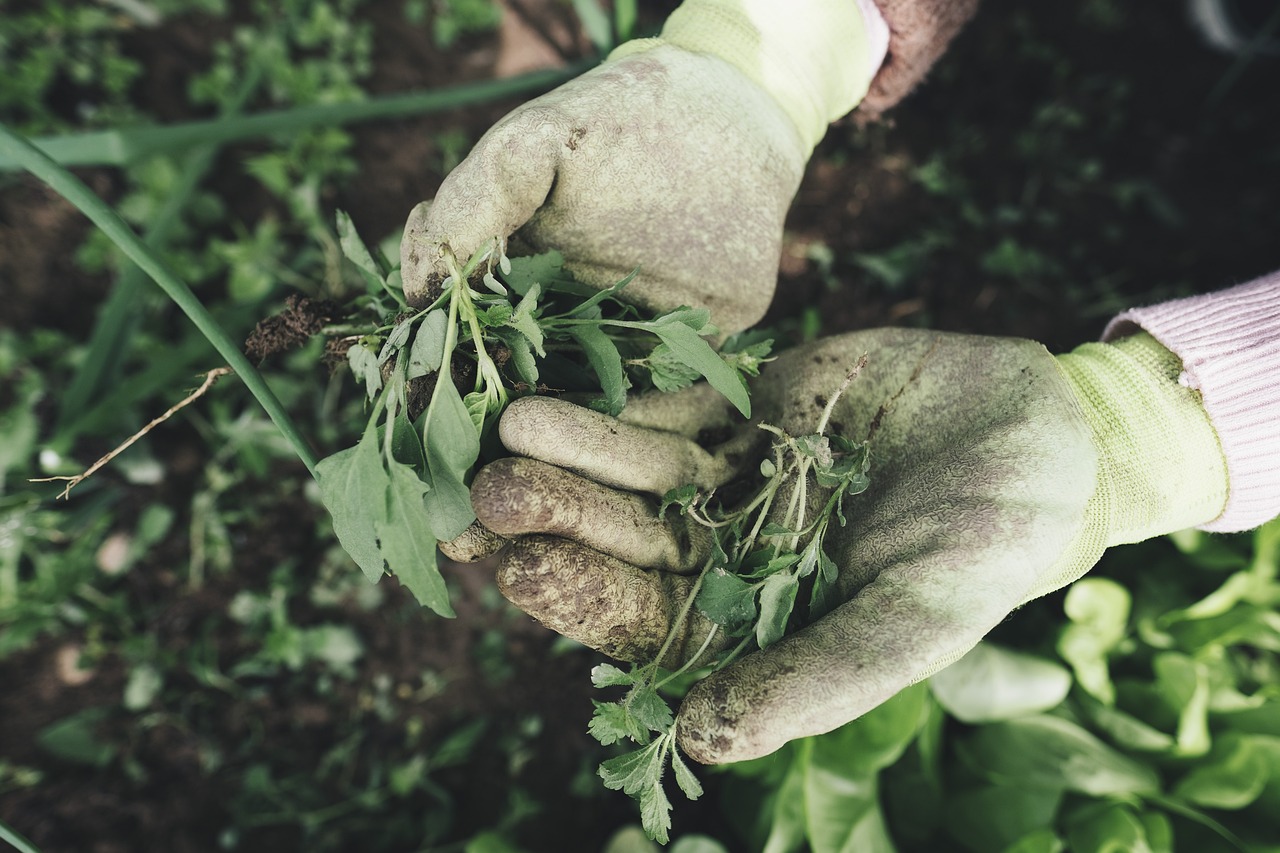
Don’t be Afraid to Let Your Kids Get Dirty: Kids
can help plant the seeds and water the garden. Teach kids about the weeds that
may interfere with your flowers or veggies as they start to sprout, and have
them pluck them out regularly so your plants will have the optimal chance to
flourish.
9.
Consider Adding Mulch: Mulching your
garden may be suitable to prevent access weeds from popping up. Mulch also
traps moisture that your plants will need to grow. A variety of mulch is available including
shredded bark, straw, or river rock. Avoid mulching over your seeds.
10.
Enjoy your Harvest: Create a gardening journal with the family
with dates of sowing, germination, and harvest. If you are planting an herb or
vegetable garden, enjoy watching the various stages of growth with the kids and
search for easy recipes everyone can enjoy once the veggies are ready to be
picked, washed, and eaten.


