

It’s often said that women suffer in silence. In casual
conversations, symptoms that range from the uncomfortable to the downright
painful are often brushed aside as just a normal part of female life.
But recent advancements in minimally invasive treatment
methods mean women can be treated for conditions such as endometriosis and
uterine fibroids without too much disruption to their daily lives. The surgeon
team at Mary Washington Primary Care, Obstetrics & Gynecology and at
Stafford Hospital’s Center of Excellence for Minimally Invasive Gynecology are
committed to helping more women understand their options for diagnosis and
treatment.
“I am always shocked over the years at how many patients
were told that their condition is either in their head, or it’s normal,” said
Dr. Eric Chang, MD, FACOG, a double board-certified Urogynecologist and
Reconstructive Pelvic Surgeon. “A lot of what we are counseling is really
demystifying and getting rid of a lot of the myth that’s out there.”
Dr. Chang is part of a team bringing advanced gynecological
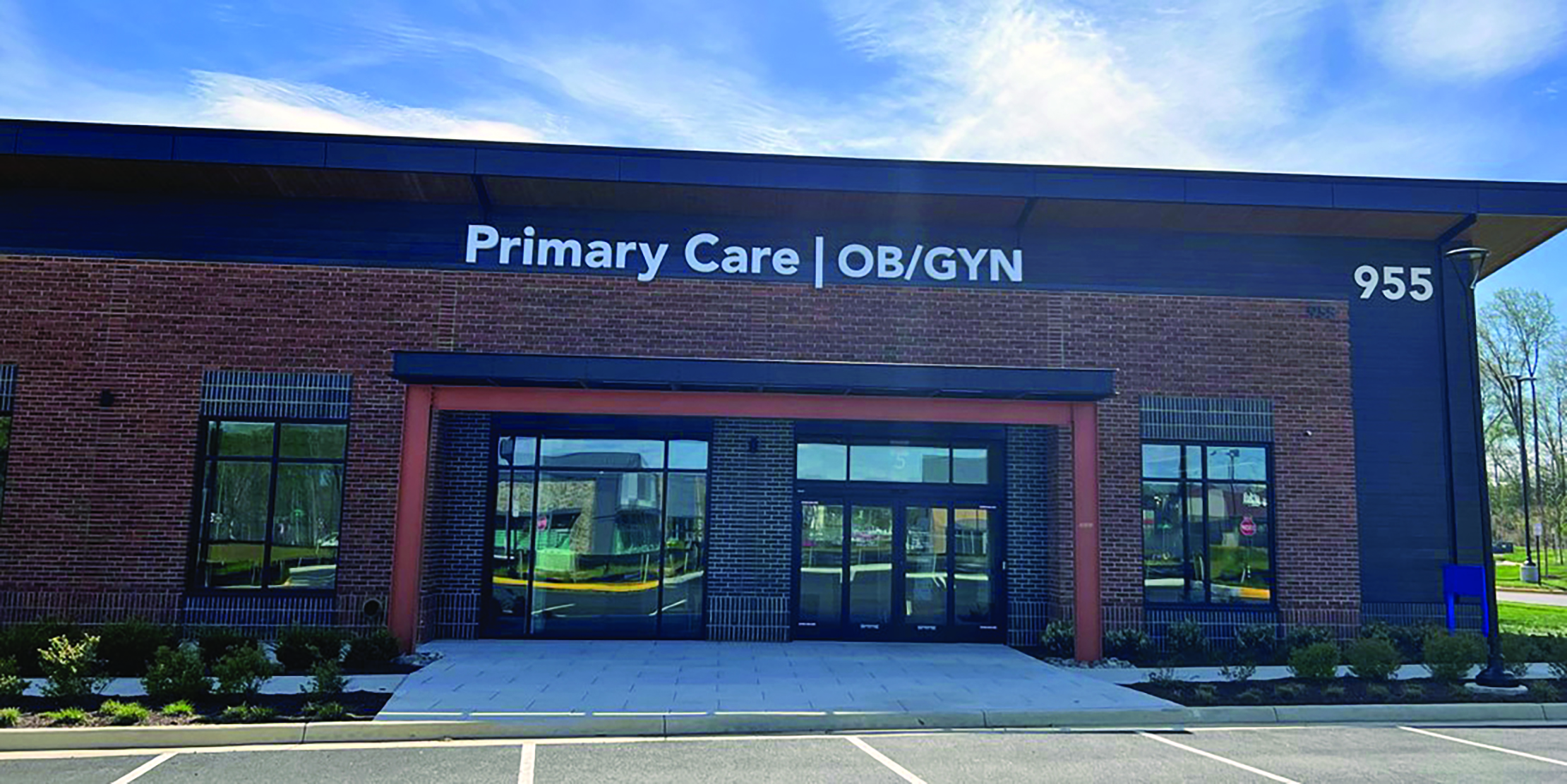
care options to Stafford County. Dr. Chang sees patients at Mary Washington Primary
Care, Obstetrics & Gynecology, located within the new Embrey Mill community
health facility. Nearby, at Stafford Hospital’s Center of Excellence in
Minimally Invasive Gynecology (COEMIG), a team of physicians led by Dr. Kurian
Thott, MD, FACOG, works to help women overcome a range of gynecologic
conditions that can interfere with everyday quality of life.
Since first earning national certification a decade ago, Stafford
Hospital’s COEMIG program has become a regional destination for women seeking
treatment for conditions ranging from endometriosis, ovarian cysts and fibroids
to pelvic organ prolapse and more.
As our October experts, Mary Washington Healthcare gynecological
surgeons shed light on the advanced capabilities they provide.
Q: What is minimally invasive gynecology?
Dr. Kurian Thott, MD, FACOG, Master Surgeon:
Minimally invasive gynecologic surgery uses small incisions,
which leads to quicker recovery, less pain, fewer complications and less
downtime for the patient. There has been a real paradigm shift over the past 10
to 20 years where procedures that were once performed as open surgeries are now
being performed through minimally invasive methods. We brought this capability
to the Fredericksburg area back in 2008, and we sought the Center of Excellence
designation, which we first earned in 2014 through the Surgical Review
Corporation, to highlight the good work we were already doing.
Each year, the surgeons in our center at Stafford Hospital
perform hundreds of minimally invasive surgeries to treat conditions including:
·
Abnormal uterine bleeding
·
Pelvic organ prolapse
·
Endometriosis
·
Pelvic pain
·
Ovarian cysts and masses
·
Stress urinary incontinence
·
Uterine fibroids
·
Infertility
Q: How does Stafford Hospital’s COEMIG program improve
women’s lives in our region?
Dr. Thott: A good example is endometriosis care.
Endometriosis is one of the most complex diseases to treat when it’s in a
severe form. It can take up to seven or eight years for a woman to even be
diagnosed. The fact that we actively encourage our patients to get proper
testing done, and that we can even diagnose through a surgical evaluation, sets
us apart from other practices doing this type of work. We also do a lot of
uterine fibroid surgeries, as well as hysterectomies. For the past decade we
have performed 100% minimally invasive surgeries, meaning we have a 0%
conversion rate to open surgery. That means that if a patient comes to us for a
minimally invasive surgery, that’s what they’re going to get. And it’s due to
this being a specialty here at Stafford Hospital, a Center of Excellence.
Dr. Yetunde Nkechi Adenle, MD, FACOG, Surgeon of
Excellence:
We do help women navigate complex diagnoses, especially with
endometriosis. Most women don’t even know to bring it up. They may have
thoughts like, “Oh, I’ve lived with this for years.” Our goal as we see
patients, as we talk with them about their menstrual cycle or whatever is going
on, is to allow them to understand that we have ways to diagnose and help them
navigate these health issues, and we have ways to surgically address the
problem and get them back to their normal life. We encourage women in our practice,
we listen to women, and we always try to find them solutions.
Q: What does this mean for the patient experience?
Dr. Eric Chang, MD, FACOG, double board-certified
Urogynecologist and Reconstructive Pelvic Surgeon:
I always tell my patients, we are in the “Good New Days” of
surgery, not the “Bad Old Days.” Basically, these major surgeries such as
hysterectomies can mostly be done as outpatient procedures. Probably greater
than 90% of my patients go home on the same day of surgery. These are
procedures that used to keep patients in the hospital for one or two days. I
tell patients, when we send you home, you’re not incapacitated, you’re not
lying in bed. You’re a functional human being. You’re going to be walking around.
You can climb stairs.
Q: Dr. Chang, you bring the specialty of urogynecology to
patients through your practice at the Embrey Mill community health hub. Can you
explain what that is?
Dr. Chang:
In urogynecology, we take care of pelvic floor issues. That includes
a lot of different things that can be end complications of pregnancy, including
vaginal laxity, or feeling like there is a bulge coming out into the vagina,
like a hernia. It can include urinary or fecal incontinence. All of these
conditions are quality of life conditions for a lot of women that they kind of
put by the wayside and say, “Oh, it’s because I’ve had three babies, I’m just
confined to leaking for the rest of my life every time I cough, sneeze or
laugh.” This was certainly true of prior generations. But I think there is a
good conversation that is going on in our generation and beyond, where there’s
a lot more ability for people to communicate and say, “Wait, this is not
normal.” My hope is that more people will be able to seek out these treatments
and be able to talk about these symptoms, because we can certainly guide them
through treatment options ranging from conservative all the way to surgery.
If you are experiencing discomfort due to pelvic floor or
gynecologic issues, the first step is to speak up to your gynecologist or
primary care physician. You can learn more about the Center for Excellence in
Minimally Invasive Gynecology at Stafford Hospital at women.mwhc.com. Learn
more about Mary Washington Primary Care, Obstetrics and Gynecology by visiting
PrimaryCare.mwhc.com (Click on the location at 955 Wonder Road, Entrance E.).
Mary Washington Obstetrics & Gynecology Surgeons
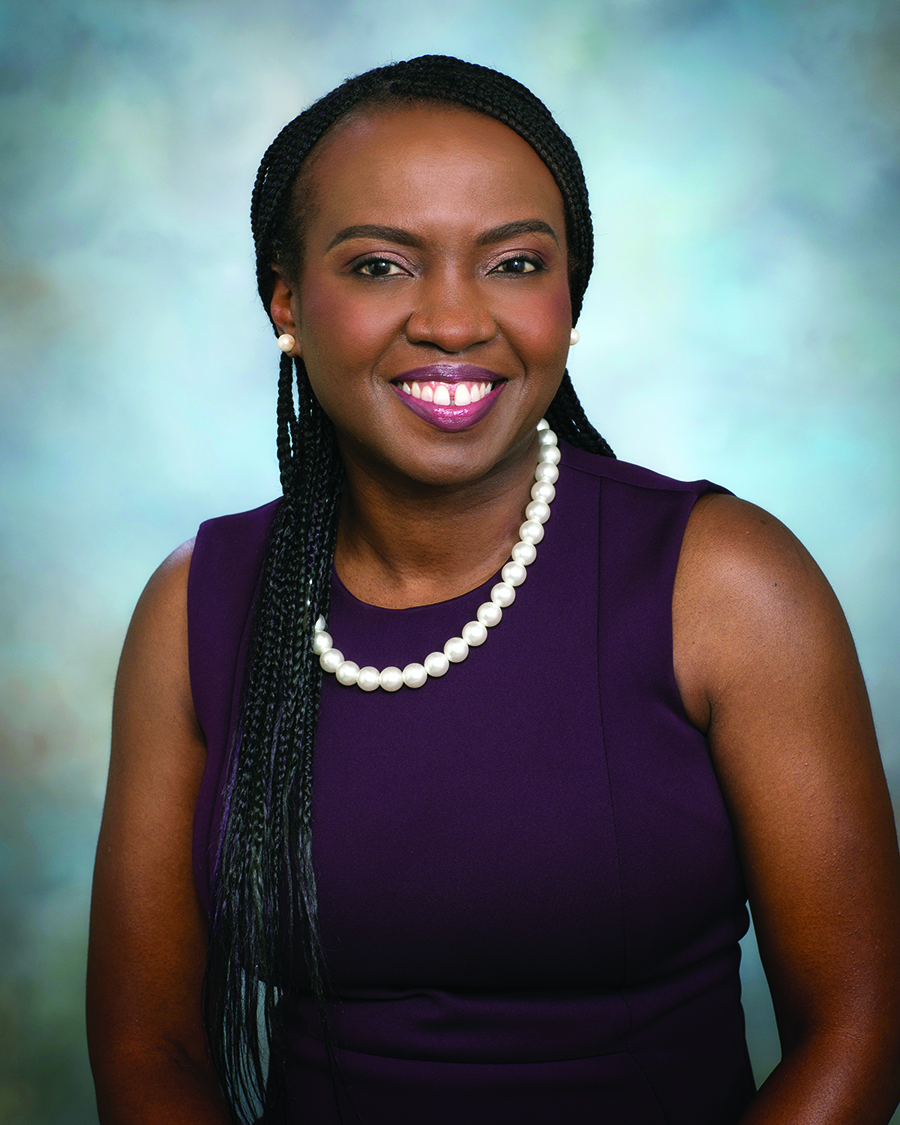
Dr. Yetunde Adenle, MD, FACOG, Surgeon of Excellence
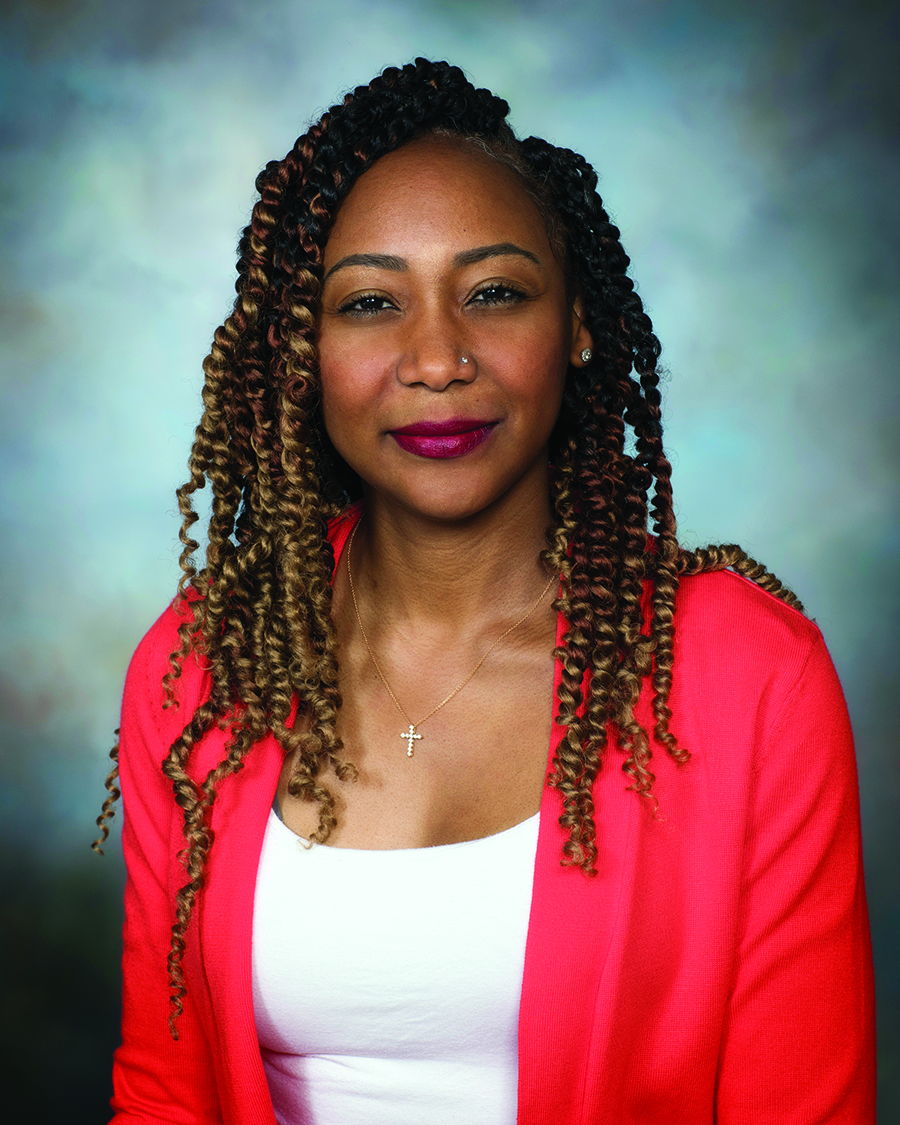
Dr. TreChelle Carson, MD, FACOG, Surgeon of Excellence
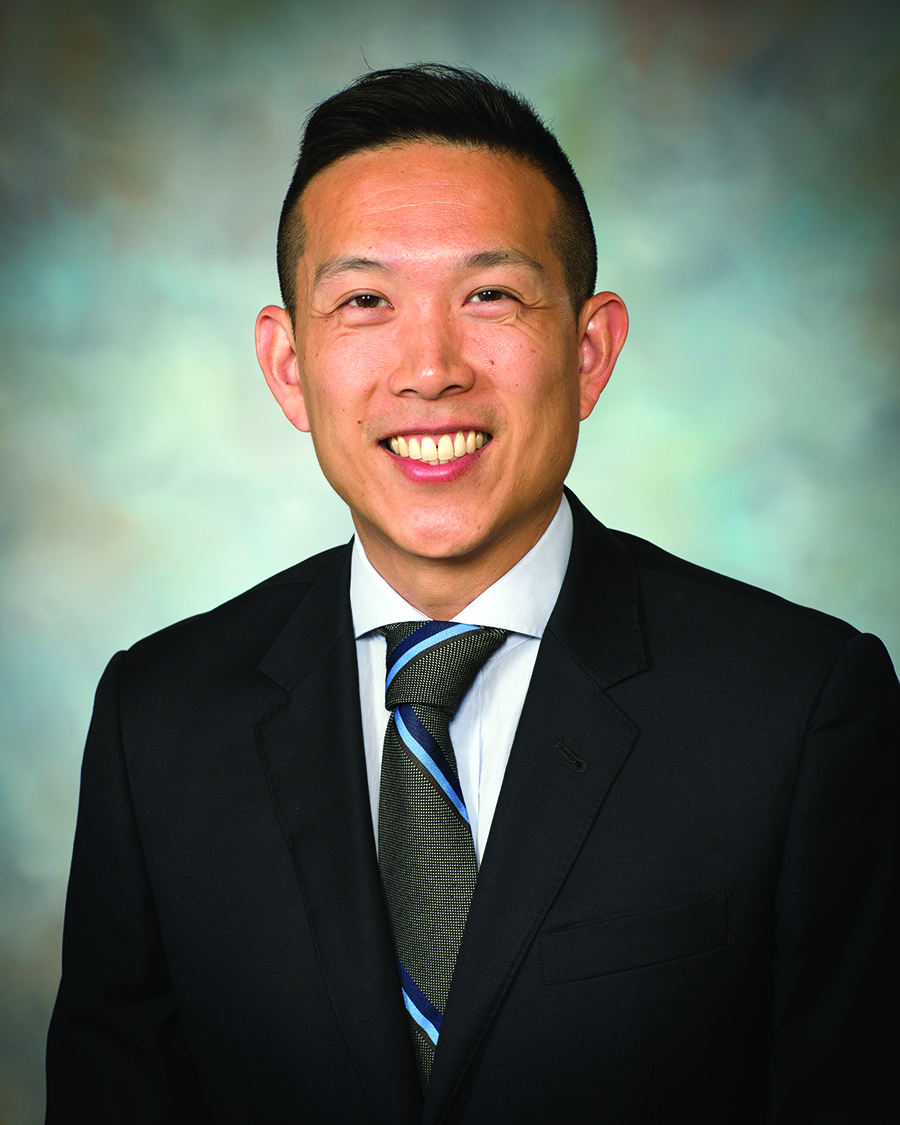
Dr. Eric Chang, MD, FACOG, double-board certified
Urogynecologist and Reconstructive Pelvic Surgeon
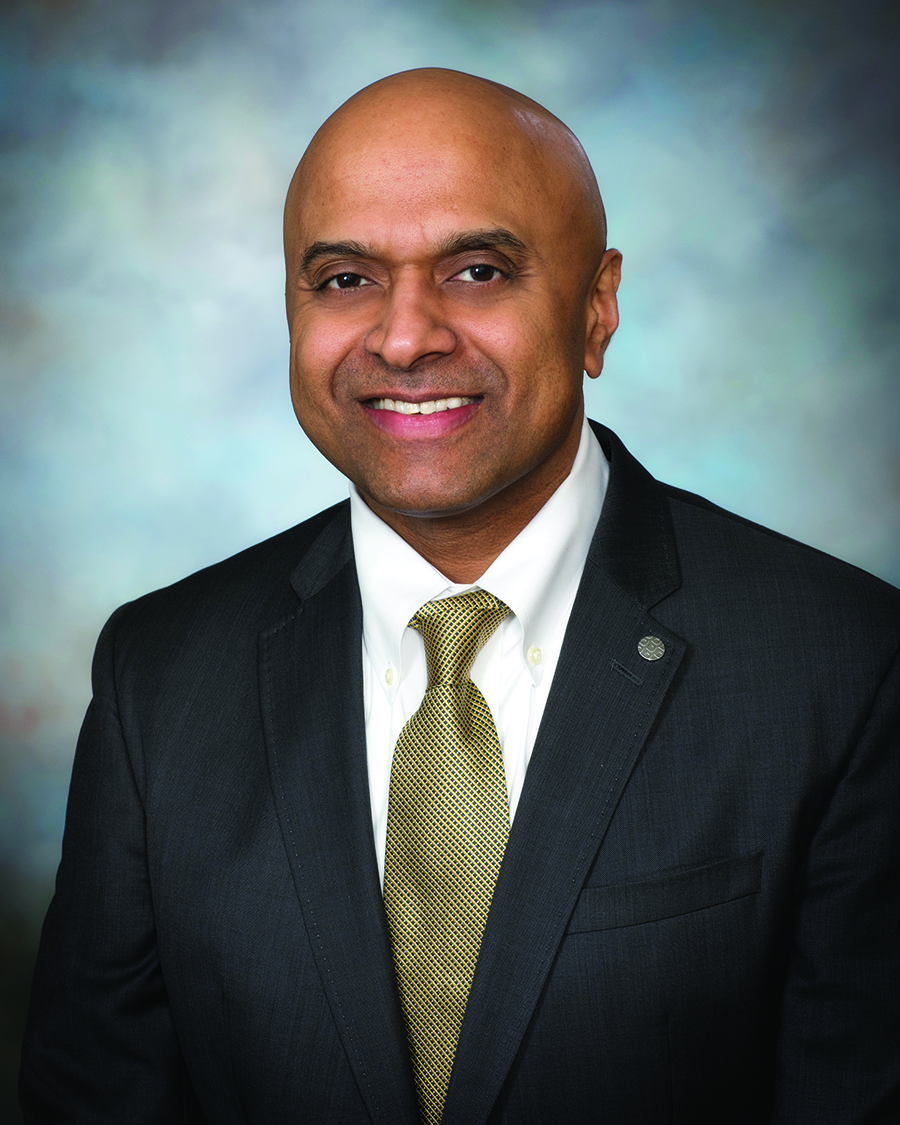
Dr. Kurian Thott, MD, FACOD, Master Surgeon