


Remembering Fredericksburg professor Chris Kilmartin and his lessons on what it means to be a healthy man
Key Takeaways
- Chris Kilmartin challenged stereotypes that discourage men from expressing feelings, showing compassion and respecting women.
- Being present with children can matter more than competition or achievement.
- Fathers can show strength through affection, honesty and asking for help.
- Naming emotions, acknowledging children’s feelings and explaining support needs can help fathers connect with their families.
- Learning to express feelings and build new patterns of connection takes practice.
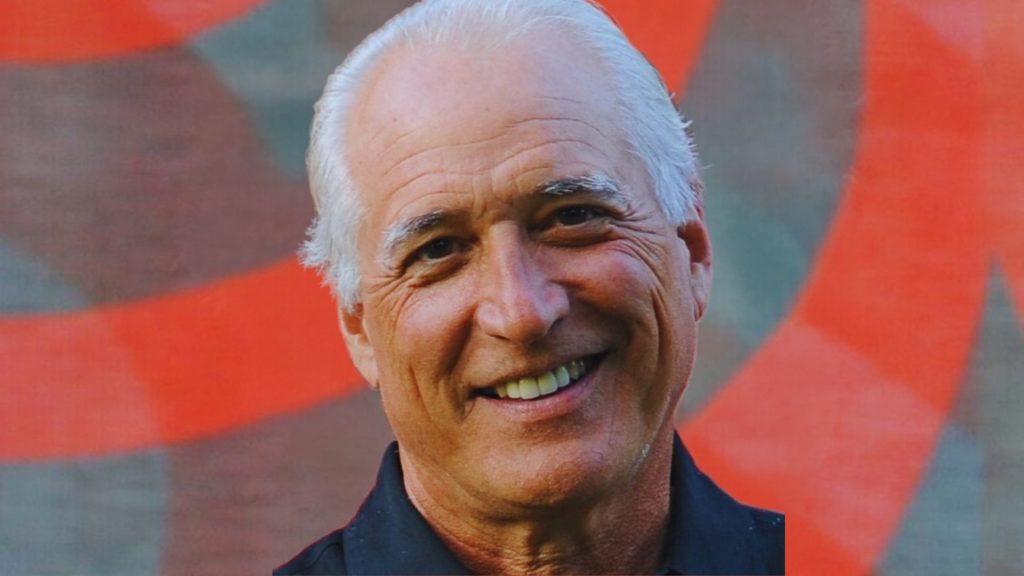
Chris Kilmartin, one of my dear friends, was a professor and leading lecturer on men’s health and an internationally recognized expert on gender, violence prevention, diversity and inclusion. My friend died unexpectedly this past summer.
I loved him, and I cried a lot. Today, I miss him.
Admitting to loving another man fraternally, missing him and crying over his absence would have gotten me beaten up as a suburban child of the 1980s. But these are healthy feelings, and my friend Chris helped me understand that.
For more on balancing family responsibilities and asking for help, read our guide to sandwich generation support in Fredericksburg.
Remembering Chris Kilmartin
For more than three decades, Kilmartin taught at the University of Mary Washington. He also wrote five books on men’s behavior. His career took him beyond Fredericksburg as well. He held the Fulbright distinguished chair in gender studies at the University of Klagenfurt in Austria as well as served as a distinguished visiting professor at the U.S. Air Force Academy.
He wrote a one-man play, “Crimes Against Nature,” which explored the contradictions between the stereotypes men face and men’s lived experiences. He lectured at nearly all of the service academies and was brought in by a number of college sports teams to speak to their athletes about how being a man can also include being compassionate, empathetic and, most of all, respectful of women.
November brings a focus on men’s health through Movember and International Men’s Day on Nov. 19, both of which raise awareness of men’s physical and mental health. In honor of Chris, it seems fitting to reflect on something he spent much of his career exploring: what it means to be a healthy man, physically and emotionally.
For more local perspectives on fathers’ well-being, read Take Care, Dad: Fathers Discuss Prioritizing their Mental, Physical and Emotional Health.
Stay connected with Fredericksburg Parent
Get free things to do, local parenting advice, education and camp guides, and special offers for families in the Fredericksburg area delivered straight to your inbox.
Chris Kilmartin’s Lessons on Healthy Masculinity
His thoughts on masculinity are preserved in his lectures and his books, and one theme that he returned to often was the stereotype of being a “real man” and how unhealthy that could be.
In his book “The Masculine Self,” Kilmartin acknowledged that there are societal benefits for attempting to live up to traditional expectations of masculinity and that conforming to those expectations is often rewarded with money, status and privilege, but there are costs to living in this perceived role.
He wrote: “The expectations that men compete, achieve, be ‘on top,’ and always look for more have left many men feeling driven, empty, disillusioned and angry. … No matter how talented and hardworking one is, winning every time is an impossibility. … Such a lifestyle often results in stress-related physical and psychological symptoms.”
Being Present Matters More Than Winning
Now, take those expectations placed on men and add in the pressure of being a father. When children are expected to achieve at the same level as their dad or their accomplishments become a measure of his success, that pressure can take a toll on the entire family.
I once served on the homeowners association board in my subdivision, and I remember an open meeting when a neighbor stood up to speak. He mentioned that whenever he drove by the modest athletic fields in our neighborhood, he would look to see which fathers were out there with their children and whether those children were as athletic as his own. He said he was competitive that way. I laughed out loud.
That moment brought home something my friend Chris had been teaching all along: Being a man doesn’t have to mean turning everything into a competition. If your child would rather head to the playground than swing a bat or kick another soccer ball, that’s OK. Not every afternoon has to bring them closer to a Division I athletic scholarship. Sometimes the memory that matters is simply that you were there, pushing the swing or sharing a seesaw.
For fathers, that lesson offers a different way to think about strength. It doesn’t have to mean always winning, providing the most or pretending nothing hurts. It can mean showing affection to your family, admitting when you’re struggling, asking for help and letting the people you love see that you are human.
I loved my friend Chris. I miss him, and I still cry for him. Maybe being able to say that without apology is part of his legacy, too. I think my friend Chris would have agreed.
6 Everyday Ways to Become Emotionally Present Fathers
Saying men should be able to express their feelings is one thing. Knowing where to start can be harder. Bethany Vibert, a clinical psychologist and owner of Bethany Vibert Child and Family Psychological Services in Fredericksburg, offers six everyday ways fathers and father figures alike can be more emotionally present.
- Put a feeling into words. Let your children hear you name sadness or frustration. Seeing a father express emotion helps them learn that “feelings are safe to have,” Vibert said.
- Let affection show. Tell your child you love them. Show warmth in ordinary moments. You’re teaching them that showing tenderness is a strength.
- Pause instead of pushing feelings away. Take a breath before reacting. When your child is upset, acknowledge the feeling. “You are really frustrated right now. That makes sense. Let’s figure this out together,” Vibert suggested. Stay present without immediately trying to fix it.
- Start with someone you trust. “Men can start small,” Vibert said. Share what’s troubling you with a friend, family member or mental health professional. Vibert noted that talking during a drive or shared activity may feel more comfortable than a formal conversation.
- Say what support looks like for you. Tell the people close to you what helps you feel supported. “Support is not a one-size-fits-all model,” Vibert said.
- Give yourself room to learn. If you grew up hearing that men should hide their feelings, opening up may take practice, and that’s OK.
And remember, “emotional vulnerability, connecting to one’s child and learning new relational patterns can all be learned,” Vibert said.
Frequently Asked Questions
What did Chris Kilmartin teach about healthy masculinity?
Chris Kilmartin emphasized that being a man can include compassion, empathy and respect for women. He challenged expectations that men must always compete, achieve and hide their feelings.
How can men become emotionally present fathers?
Psychologist Bethany Vibert recommends naming feelings, showing affection and acknowledging children’s emotions. Staying present without immediately trying to fix the situation can help fathers connect with their children.
How can fathers connect with children without focusing on achievement?
Spend time together without making every activity a competition or a step toward an athletic goal. Pushing a swing or sharing a seesaw can create a meaningful memory of being together.
How can men start talking about their feelings?
Psychologist Bethany Vibert suggests starting small by sharing concerns with a trusted friend, family member or mental health professional. Talking during a drive or shared activity may feel more comfortable than a formal conversation.